

Ghana’s fight against preventable maternal deaths has found a powerful new ally: the very custodians of its culture and communities.
During a working visit to the Greater Accra Region, officials of the Ministry of Health paid a courtesy call on His Royal Majesty King Tackie Teiko Tsuru II, the Ga Mantse, at the Ga Mantse Palace in Accra — forging a partnership that could reshape how maternal health is approached across the country.
The stakes could not be higher. In 2025, Ghana recorded 986 maternal deaths, with a national maternal mortality ratio of 235 deaths per 100,000 live births — more than three times the World Health Organization’s target of 70 deaths per 100,000 live births required to achieve Universal Health Coverage and the Sustainable Development Goals.
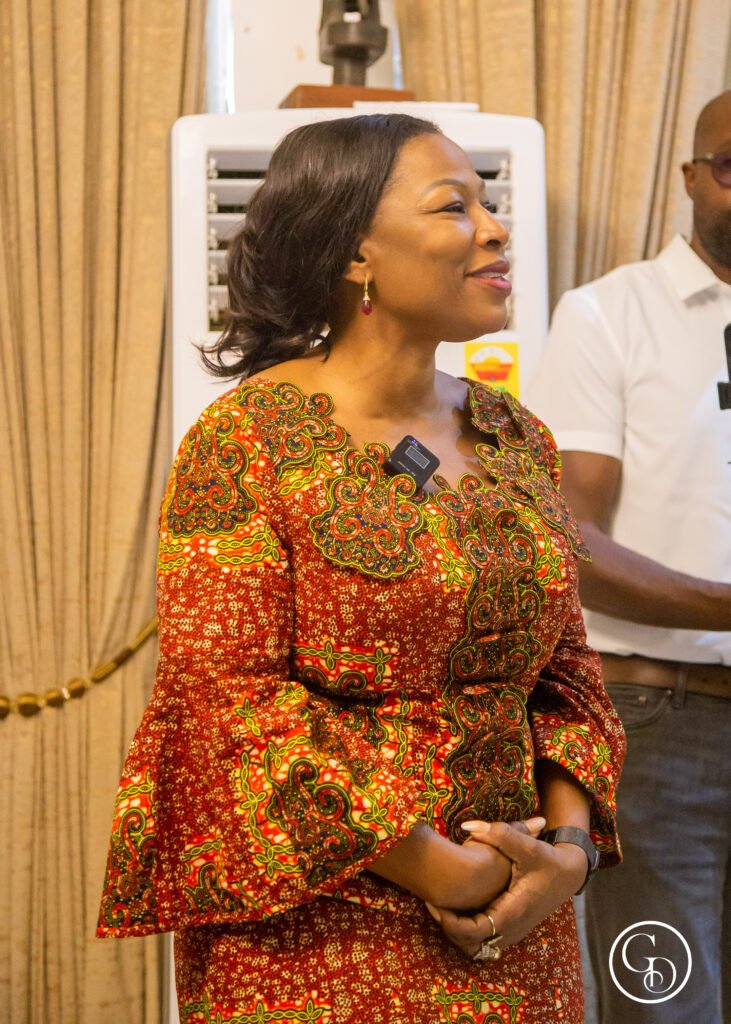
“Our maternal mortality is the worst-performing health index in the country,” said Deputy Health Minister Prof. Ayensu-Danquah. “Whenever a country’s maternal mortality rate is this high, it tells you about the robustness of its health system. It reflects what is happening across our hospitals, polyclinics, district hospitals and regional referral centres.”

The burden is far from evenly spread: maternal deaths are concentrated across 11 regions, with Ashanti recording the highest toll, followed by Greater Accra.
In her remarks, the Deputy Minister affirmed that the fight against maternal mortality has been elevated to a presidential priority under the new Maternal Mortality Action and Response Programme (MMARP). To drive this agenda, a 25-member Technical Working Group has been constituted to implement the National Response Plan, following extensive consultations across the health sector.
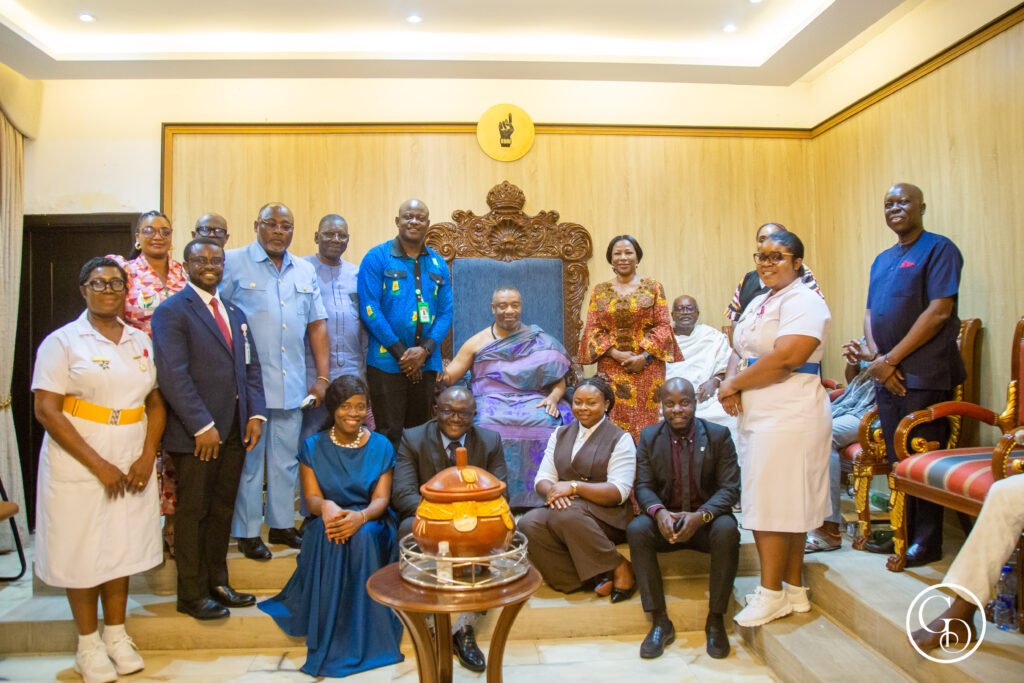
The message from the Ministry was clear: saving mothers is about far more than clinical care.
“It is not only about health workers,” Prof. Ayensu-Danquah explained. “It is also about our traditions, our culture, our families and what happens at home during pregnancy. If we are talking about culture, tradition and family, then the best place to seek guidance is from our traditional authorities.”

She therefore appealed to the Ga Traditional Council to partner with the Ministry in promoting safe pregnancy practices, encouraging timely antenatal care, and addressing harmful cultural practices that contribute to preventable maternal deaths.