

Cashew is one of the world’s most beloved snacks, sprinkled into fried rice, blended into creamy sauces, or simply enjoyed by the handful. Yet despite its ubiquity, the cashew nut remains widely misunderstood — starting with the simple fact that it is not, strictly speaking, a nut at all.
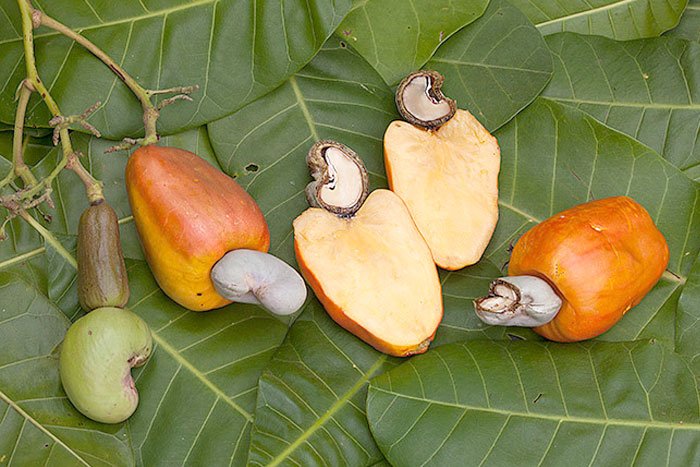
Botanically, the cashew is a seed, one that grows from the bottom of a pear-shaped false fruit known as the cashew apple, which hangs from the Anacardium occidentale tree. That curious botanical detail aside, nutritionists and health experts say the cashew deserves far more attention than it typically receives — particularly among women, for whom its nutritional profile offers a range of targeted benefits spanning energy, hormonal health and long-term wellness.
Hormonal Balance and Mood
For many women, the menstrual cycle brings with it mood swings, irritability and discomfort. Cashews, according to nutrition experts, offer a natural form of support. The seeds are rich in magnesium and zinc, two minerals that play a role in regulating hormone production, easing premenstrual mood swings and supporting regular menstrual cycles.
Cashews also contain tryptophan, an amino acid the body converts into serotonin — often referred to as the “feel-good” hormone. Higher serotonin levels are associated with reduced stress and anxiety, making a handful of cashews a surprisingly effective mood-lifting snack during emotionally taxing days.

Advertisement
Energy and Anaemia Prevention
Women face a higher risk of fatigue and iron deficiency than men, largely due to blood loss during menstruation and the demands of pregnancy. Cashews present a practical dietary defence. They are rich in iron and copper, minerals that work together to build haemoglobin, improve oxygen circulation throughout the body and combat chronic tiredness.
For women juggling careers, family responsibilities and everything in between, that steady supply of iron and copper can translate into sustained energy rather than the mid-afternoon slump many have come to accept as normal.
Building Stronger Bones
As women age, bone density becomes an increasingly pressing concern, with osteoporosis posing a significant threat after menopause. Cashews offer meaningful protection. Their high concentrations of magnesium, phosphorus and calcium help maintain bone density and guard against the gradual weakening of the skeleton that accompanies ageing.
Regular consumption, experts suggest, can form part of a broader bone-health strategy alongside weight-bearing exercise and adequate vitamin D intake.
Skin and Hair Health
The beauty benefits of cashews are perhaps the least discussed but no less significant. Packed with antioxidants, vitamin E, selenium and copper, cashews promote collagen production — the protein responsible for skin elasticity and firmness. These nutrients also protect skin cells from premature ageing and support hair pigmentation, helping to preserve a youthful appearance and healthy locks.
For women who invest heavily in skincare and haircare products, nutritionists note that true beauty often begins from within, and the cashew is a worthy addition to that internal regimen.
Advertisement
A Snack Worth Reconsidering
While cashews are calorie-dense and best enjoyed in moderation, their nutritional density makes them a smart choice for women seeking convenient, whole-food sources of essential minerals. Whether roasted and salted, blended into nut butter, or tossed into a salad, the cashew proves that small seeds can deliver outsized benefits.
As health consciousness grows and women increasingly seek foods that work with their bodies rather than against them, the humble cashew — botanical curiosities and all — may well earn a more prominent place at the table.More Than a Snack: Why Cashew Nuts Deserve a Place in Every Woman’s Diet