

The Ministry of Health has called for stronger regulation, expanded public education and closer collaboration across sectors to prevent lead poisoning and protect children from its harmful effects.
The call came at the launch of the National Lead Poisoning Awareness Week 2026, held under the theme “From Detection to Prevention,” an initiative designed to promote practical measures that reduce lead exposure and safeguard public health.
Speaking on behalf of the Minister for Health, the Chief Director, Mr Desmond Boateng, stressed that lead poisoning is a serious but preventable public health threat requiring collective action that extends well beyond the health sector. He noted that lead exposure can damage children’s brain development, learning and behaviour, while in adults it can affect kidney and cardiovascular health. The damage done to children, he explained, is often invisible in its early stages yet can shape a child’s capacity to learn, concentrate and regulate behaviour for the rest of their life.
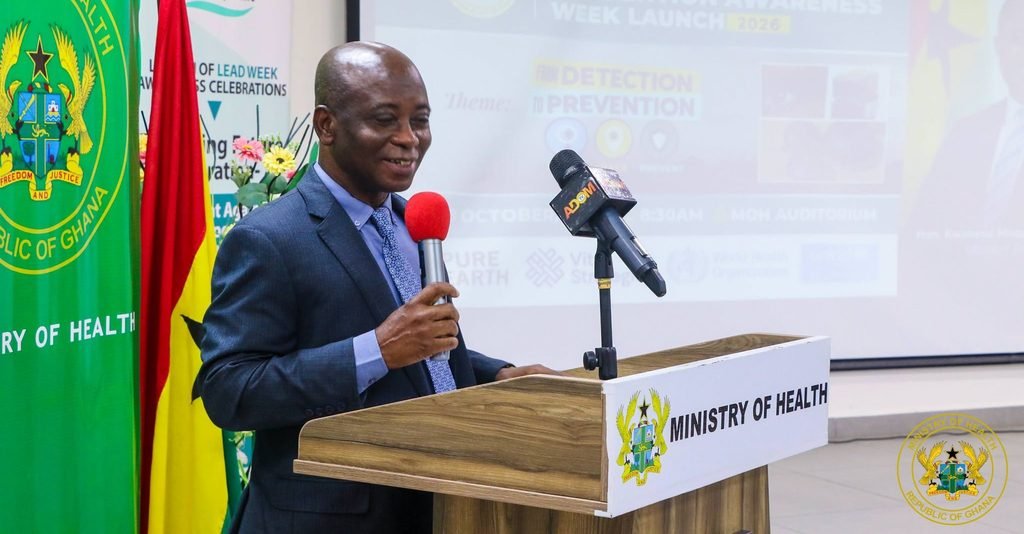
Mr Boateng identified some of the common sources of lead poisoning as lead-based paint, mining activities, battery recycling, electronic waste and contaminated consumer products. These, he said, underscore the need for vigilance not only in health facilities but in homes, workplaces and communities where exposure frequently occurs. A child playing near peeling paint in an older building, a community living close to an informal battery-recycling operation, or a household using contaminated cookware may all be exposed without any awareness of the danger.
He outlined key priorities for the campaign, including public education, the protection of vulnerable communities, strengthening the capacity of health workers to detect and manage exposure, and enforcing regulations to control lead at its sources. The emphasis on enforcement reflects a recognition that awareness alone is insufficient without the regulatory muscle to remove hazards from the environment. Health workers, he noted, must be equipped not only to recognise the symptoms of exposure but to investigate its origins and advise families on how to reduce risk.
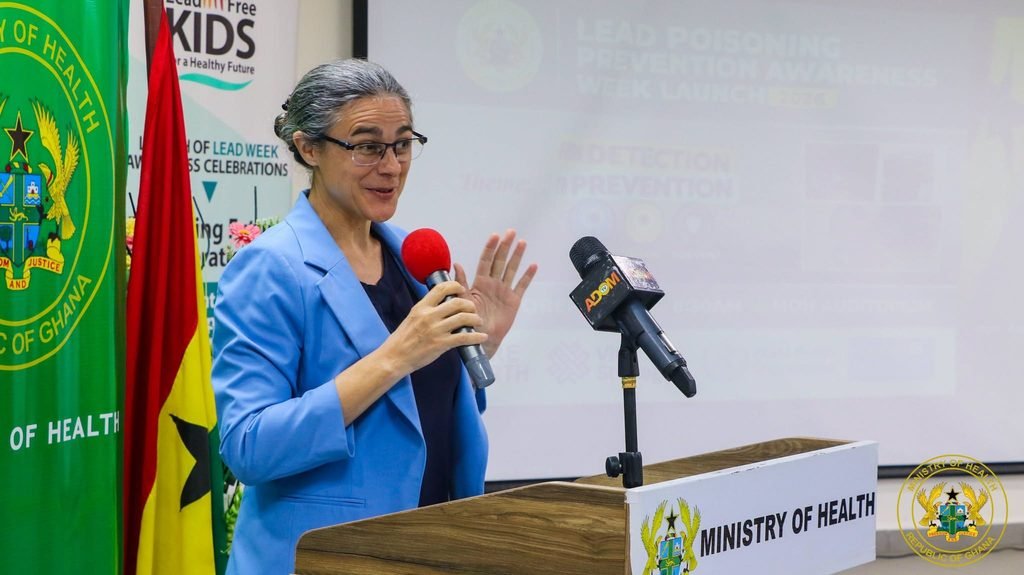
The Deputy Country Representative of UNICEF Ghana, Madam Emmanuelle Collet, called for a coordinated national surveillance system capable of identifying exposed children, tracing the sources of contamination and ensuring that unsafe products are removed from the market. Her remarks pointed to the need for reliable data as the foundation of any effective response, since exposure that goes undetected cannot be treated or prevented. Without systematic surveillance, she suggested, cases remain hidden and the sources of contamination continue to harm others.
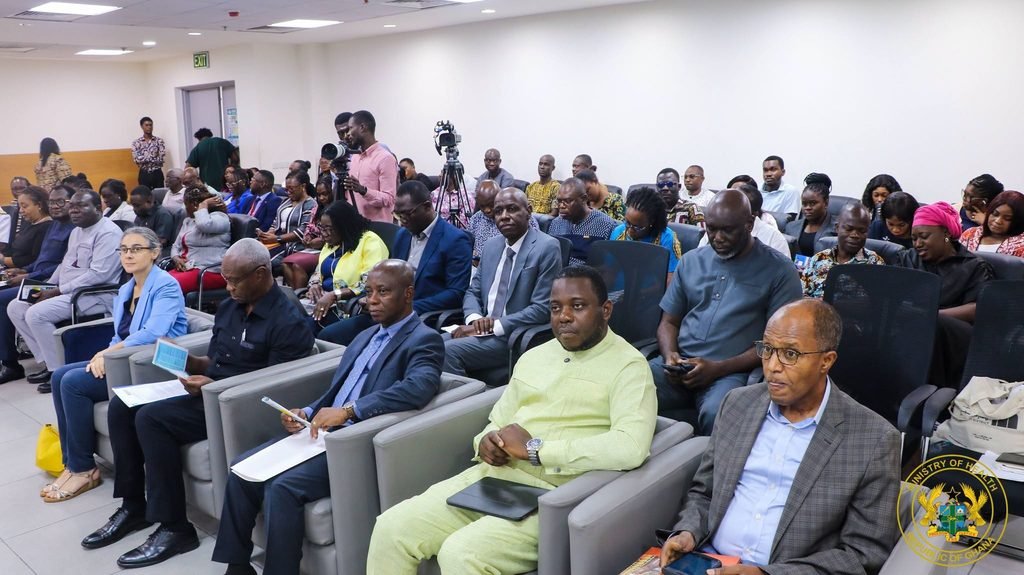
The Ministry of Health, in collaboration with Pure Earth, Vital Strategies, the Environmental Protection Agency, the World Health Organization, the Food and Drugs Authority and the Ghana Health Service, aims to strengthen public education, surveillance and regulatory enforcement to reduce lead exposure and protect vulnerable populations, particularly children. The involvement of this broad coalition signals that the fight against lead poisoning is being approached as a shared national responsibility, spanning health, environment, trade and local governance.
The campaign’s theme, “From Detection to Prevention,” captures the shift in thinking the ministry is seeking to drive: moving beyond identifying cases of exposure towards eliminating the conditions that cause them in the first place. For children in particular, the stakes are high, as the damage lead inflicts on developing brains is largely irreversible and can shape a child’s prospects for life. The message from the launch was clear: prevention is not merely better than cure, but for lead poisoning it is the only reliable protection available.
The ministry urged stakeholders and the public alike to treat the week not as a one-off event but as a starting point for sustained action, arguing that protecting children from lead requires continuous effort from regulators, health workers, manufacturers and families. The success of the campaign will ultimately be judged not by the number of activities held during the week, but by measurable reductions in exposure in the months and years that follow.